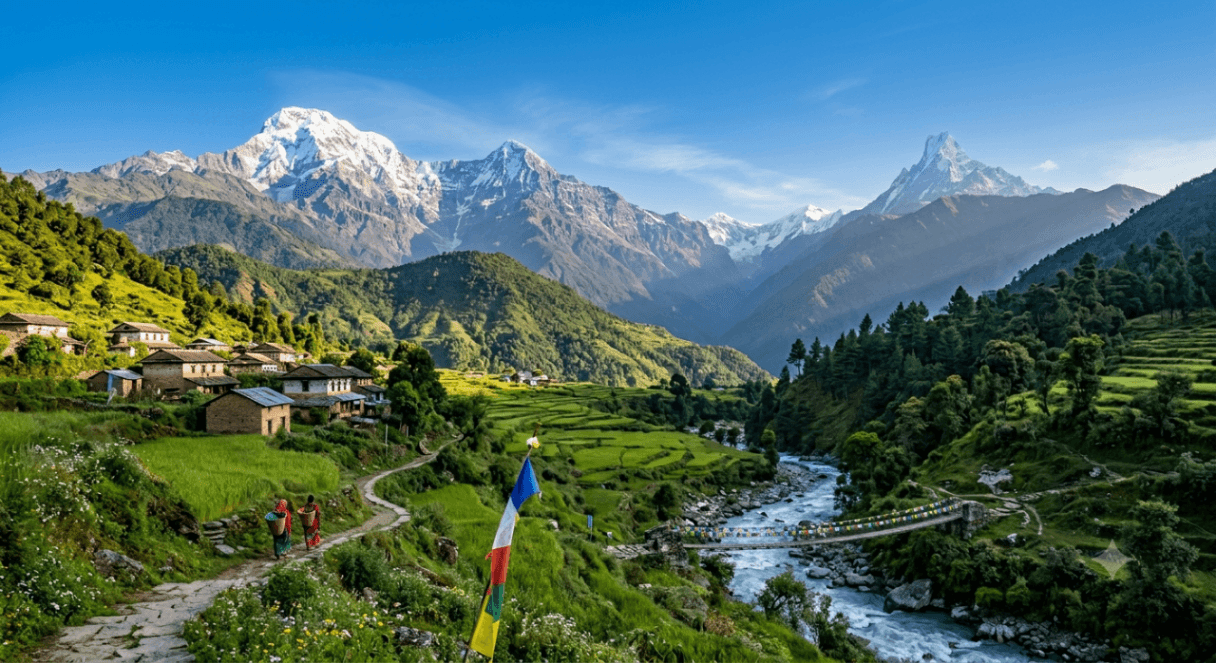
How to Make the Most of Your Trek in Nepal
A trek in the Himalayas is about much more than reaching your final destination or base camp. It is about savoring the journey, experiencing rich mountain cultures, and creating memories that last a lifetime. Whether you are trekking to Everest Base Camp, completing the Annapurna Circuit, or exploring remote valleys such as Manaslu, these essential Nepal trekking tips will help you enjoy a safe, comfortable, and rewarding Himalayan adventure.
1. Prepare Yourself Physically Before You Leave
A good level of fitness can transform a challenging hike into an enjoyable adventure. Before your trek, focus on regular walking, hiking on uneven terrain, stair climbing, and light cardiovascular exercise. Building leg strength and endurance before arriving in Kathmandu can make long trekking days and steep mountain trails much more manageable.
2. Start Each Day Early
Mornings in the Himalayas are often peaceful and spectacular. Starting early offers clearer mountain views, cooler trekking conditions, and more time to reach your teahouse and explore the surrounding villages.
- Clearer mountain views: Morning often offers the best visibility before clouds develop.
- Relaxed afternoons: Arrive early at your teahouse to rest and explore.
- Better wildlife opportunities: Many animals are more active during the early morning.
3. Catch Every Sunrise and Sunset
Sunrise and sunset are among the most unforgettable experiences of trekking in Nepal. As golden light touches snow-capped peaks such as Everest, Dhaulagiri, and Machhapuchhre, the Himalayan landscape takes on spectacular shades of gold and pink. Keep your camera and warm layers ready.
4. Immerse Yourself in Local Himalayan Culture
Nepal's trekking trails are living cultural corridors. Take time to interact respectfully with local Sherpa, Gurung, Tamang, and Thakali communities. Visit ancient monasteries, spin prayer wheels clockwise, learn a few Nepali words such as “Namaste”, and enjoy traditional dishes like dal bhat. Respecting local customs will make your Himalayan trekking experience even more meaningful.
5. Eat Well and Stay Hydrated
High altitude can reduce your appetite and increase the risk of dehydration. Eat regular, nutritious meals and drink plenty of water throughout the day. Dal bhat, rice, vegetables, soups, and other freshly prepared meals are popular choices during a Nepal trek. Avoid alcohol and smoking during the ascent, as they can affect hydration and acclimatization.
6. Communicate Openly with Your Trekking Guide
Your guide plays an important role in your safety. Inform your guide immediately if you experience possible symptoms of Acute Mountain Sickness (AMS), including persistent headaches, nausea, dizziness, loss of appetite, or difficulty sleeping. Early communication allows your trekking team to respond appropriately.
7. Walk at Your Own Pace – Bistari, Bistari
“Bistari, bistari” means “slowly, slowly” in Nepali and is an excellent rule for high-altitude trekking. The Himalayas are not a race. A steady and comfortable pace helps conserve energy and allows your body to gradually adapt to the changing altitude.
8. Bring the Right Trekking Equipment
The right gear can significantly improve your comfort and safety. Wear well-fitting, broken-in trekking boots and carry a comfortable backpack with proper hip support. Layered clothing, fleece, a warm down jacket, trekking poles, and a suitable sleeping bag are essential for changing Himalayan weather conditions.
9. Be Flexible with Your Itinerary
Mountain weather and trail conditions can change quickly. Flight delays, particularly on routes to mountain airports such as Lukla and Jomsom, may occur for safety and operational reasons. Approach your trek with patience and flexibility, as unexpected changes can often become some of your best travel memories.
10. Disconnect to Reconnect
Although Wi-Fi and mobile connectivity are increasingly available on popular trekking routes, try to spend less time on your phone. Enjoy the fresh mountain air, listen to flowing rivers, connect with fellow trekkers, and experience the peaceful surroundings of the Himalayas.
11. Practice Responsible and Sustainable Tourism
Nepal's mountain ecosystems are fragile and should be protected by every traveler. Practice responsible trekking by following these simple principles:
- Carry out non-biodegradable waste, including plastics, wrappers, and batteries.
- Use a reusable water bottle and refill it with properly treated drinking water.
- Respect local communities, wildlife, and the natural environment.
- Stay on designated trails whenever possible.
Final Thoughts: Enjoy Every Step of Your Himalayan Trek
The most treasured memories from a Himalayan trek often come from unexpected tea breaks with villagers, conversations around a warm teahouse stove, and quiet moments spent admiring the mountains. Slow down, embrace the journey, and enjoy every step of your unforgettable trekking adventure in Nepal.